Introduction
Property disputes and unpaid financial obligations are common reasons why individuals and businesses approach civil courts. Disagreements may arise over ownership, possession, inheritance, agreements, unpaid loans, contractual payments or other financial transactions.
Such disputes can become complicated when parties disagree about ownership documents, payment obligations or their legal rights.
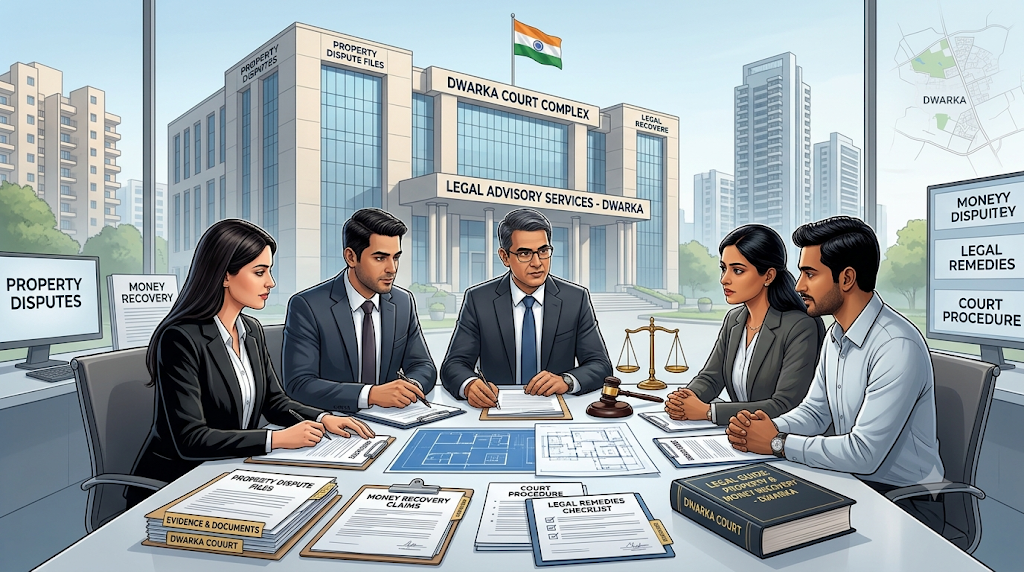
Understanding the available legal remedies is important before taking action. If you are looking for a Property Dispute Lawyer in Dwarka or a Money Recovery Lawyer in Dwarka, this guide explains common civil disputes, relevant documents and the general legal process.
What Are Property Disputes in India?
A property dispute is a disagreement concerning ownership, possession, transfer, use or other legal interests in immovable property.
Common property disputes include:
-
Disputes concerning ownership and title.
-
Family property and partition disputes.
-
Disagreements relating to inherited property.
-
Property possession disputes.
-
Disputes arising from sale agreements.
-
Issues involving property documentation.
-
Disputes relating to tenancy and occupation.
-
Disagreements concerning property boundaries or rights.
The appropriate legal remedy depends on the nature of the dispute, available documents, applicable property laws and the relief being sought.
Common Reasons for Property Disputes in Dwarka and Delhi
1. Ownership and Title Disputes
Disagreements may arise when two or more parties claim ownership or challenge the validity of title documents.
A proper examination of the title chain, sale deeds and relevant property records may be necessary.
2. Family Property and Partition Disputes
Family members may disagree about their respective rights in inherited or jointly held property. Depending on the facts, a civil suit for partition or other appropriate relief may be considered.
3. Possession-Related Disputes
A person may face difficulties when another party occupies or refuses to vacate property without an established legal basis.
The appropriate remedy depends on the ownership, possession history and legal rights of the parties.
4. Agreement and Sale-Related Disputes
Disputes can arise when a buyer or seller does not comply with the terms of a property agreement. Depending on the facts, remedies may include seeking performance of contractual obligations, refund or damages.
What Is a Money Recovery Suit?
A money recovery suit is a civil proceeding through which a claimant seeks recovery of money allegedly due from another person or entity.
Such claims may arise from:
-
Unpaid loans.
-
Outstanding business invoices.
-
Unpaid contractual amounts.
-
Failure to repay borrowed money.
-
Outstanding service payments.
-
Other legally enforceable financial obligations.
A lawyer can assess whether a civil recovery suit or another legal remedy is appropriate.
What Is the Process for Filing a Money Recovery Suit?
1. Review the Financial Transaction
The first step is to examine the underlying transaction, payment terms and evidence supporting the claim.
2. Collect Supporting Documents
Relevant records may include agreements, invoices, payment receipts, bank statements and written communications.
3. Consider Sending a Legal Notice
Depending on the circumstances, a legal demand notice may be considered to communicate the claim and seek payment.
A legal notice is not compulsory in every ordinary money recovery dispute, although a notice may be required by a contract or specific law in certain situations.
4. Determine Jurisdiction and Limitation
The appropriate court and limitation period must be assessed based on the nature of the claim, amount involved, location and applicable law.
5. Prepare and File the Suit
The plaint should set out the material facts, cause of action, jurisdiction, relief sought and relevant supporting particulars.
6. Court Proceedings
The matter may proceed through pleadings, evidence, hearings and other procedural stages before the court reaches a decision.
What Documents Are Required for Property Disputes?
Depending on the matter, documents may include:
-
Sale deed or conveyance deed.
-
Property agreement or allotment documents.
-
Relevant ownership records.
-
Mutation or municipal records, where applicable.
-
Property tax receipts.
-
Possession-related documents.
-
Previous court orders, if any.
-
Correspondence between the parties.
-
Other documents supporting the claim.
What Documents Are Required for Money Recovery?
Common documents may include:
-
Loan agreement or written undertaking.
-
Invoices and bills.
-
Bank statements and payment records.
-
Acknowledgement of debt.
-
Relevant emails and messages.
-
Account statements.
-
Legal notices and delivery records.
-
Other evidence supporting the financial claim.
The evidence required depends on the nature of the transaction and the relief sought.
Why Is Limitation Important in Civil Recovery Matters?
Civil claims are subject to limitation periods under the Limitation Act, 1963 and other applicable laws.
The limitation period depends on the nature of the claim and the date on which the cause of action arises. In certain circumstances, a written acknowledgement or part-payment may affect the limitation calculation if statutory conditions are satisfied.
It is therefore important to seek legal advice promptly rather than assume that a claim can be filed at any time.
Why Consult a Civil Lawyer in Dwarka?
Property and money recovery disputes often involve detailed documents, questions of jurisdiction, limitation and procedural requirements.
A civil lawyer can help review the available evidence, identify potential legal remedies, prepare pleadings and represent a party in appropriate court proceedings.
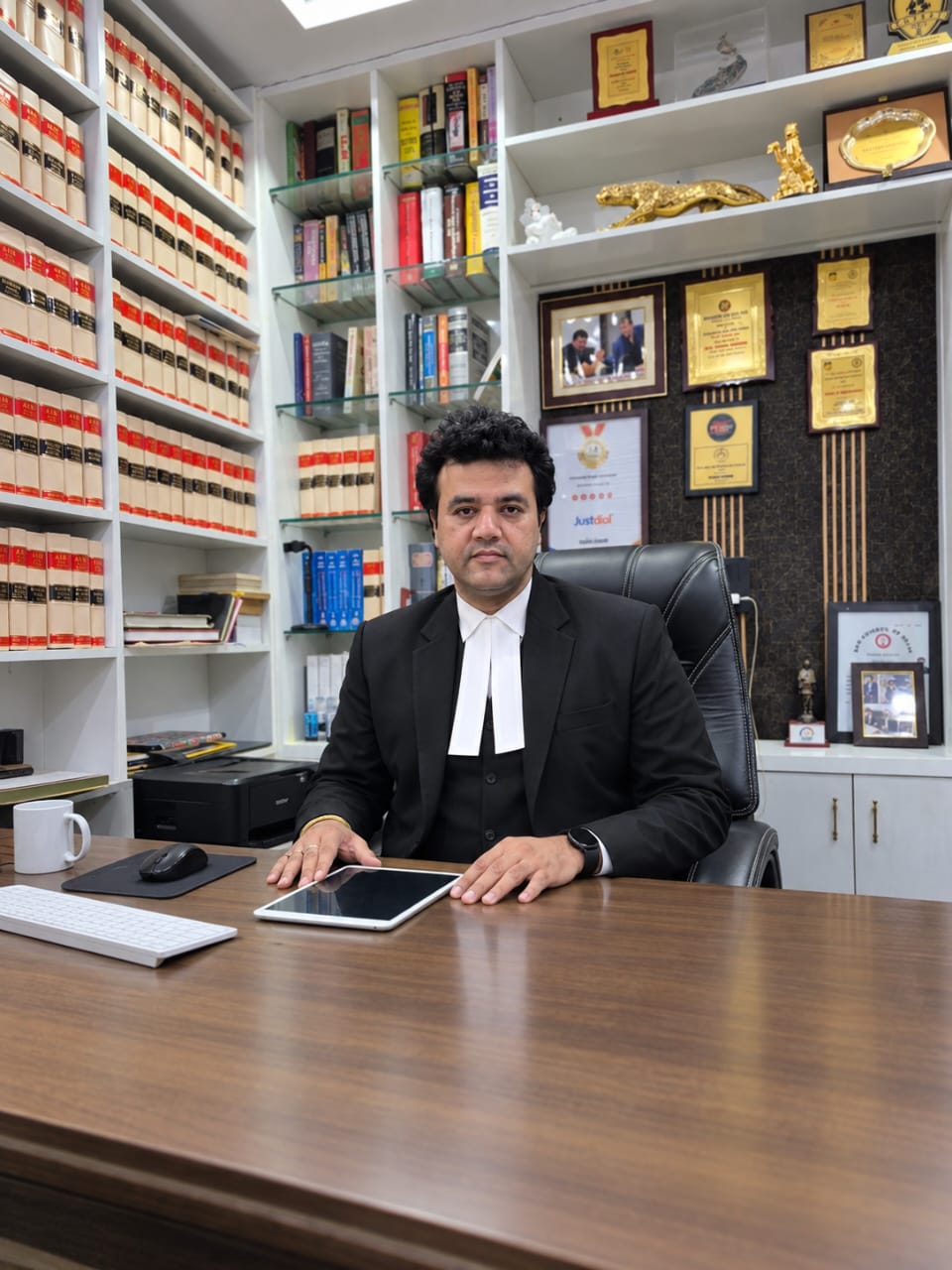
If you are searching for a Civil Lawyer in Dwarka, you can explore the legal services offered by Chhabra Legal Advisers.
You can also review the firm's practice areas or contact the legal team.
Conclusion
Property disputes and money recovery matters require careful assessment of legal documents, evidence, limitation and jurisdiction. Taking timely action and understanding the appropriate civil remedy can help individuals and businesses make informed decisions.
For assistance with property-related disputes, money recovery matters and civil litigation, contact Chhabra Legal Advisers in Dwarka, New Delhi.
Disclaimer: This article is for general informational purposes and does not constitute legal advice. Property rights, jurisdiction and limitation require examination of the individual documents and facts.