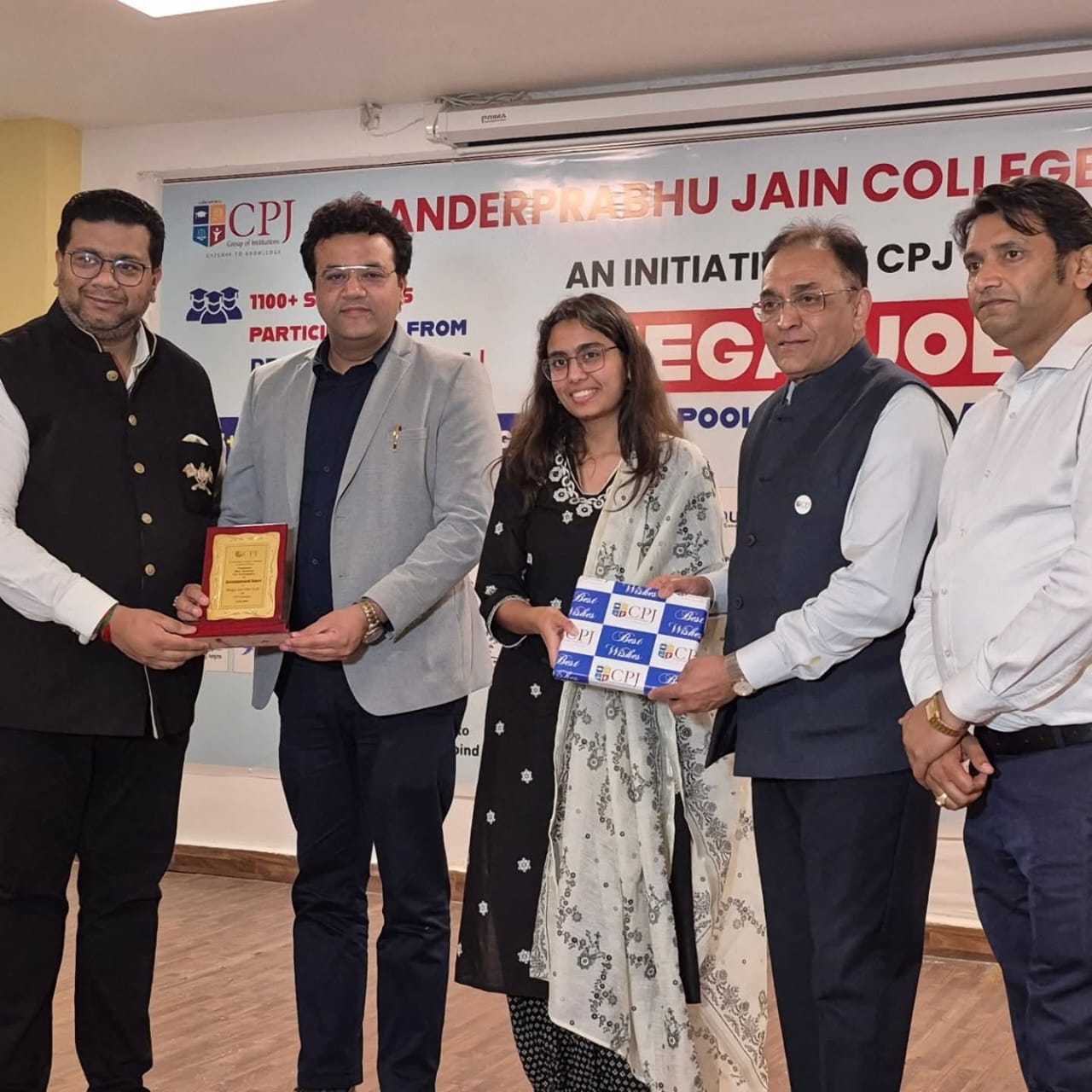
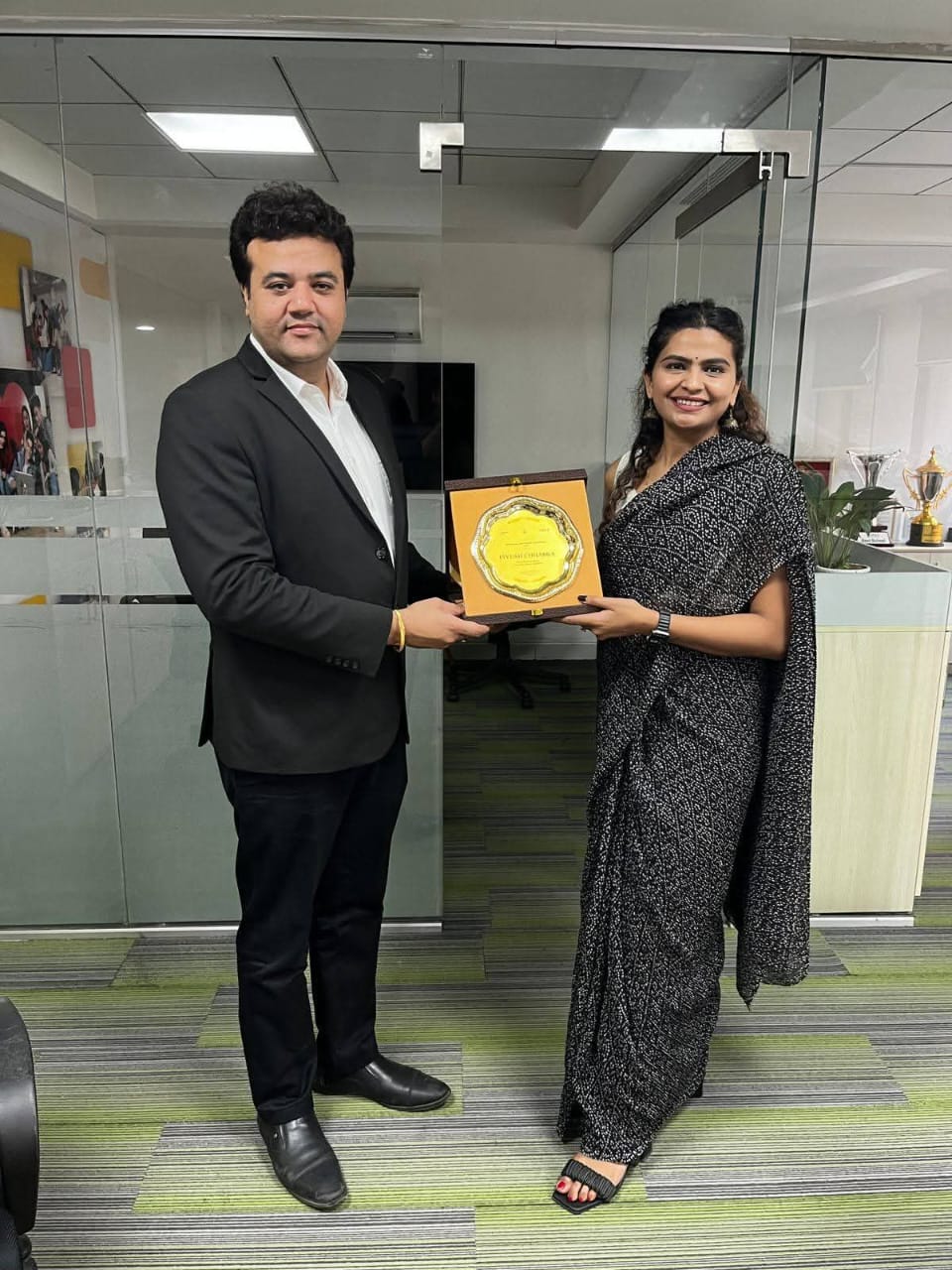
Recognized As Best in Industry Rankings
A cheque dishonour can create financial difficulties, business disputes and legal complications for both the person who issued the cheque and the person who received it. If you are looking for a Cheque Bounce Lawyer in Dwarka, Chhabra Legal Advisers provides legal assistance in cheque-bouncing matters, including legal notice preparation, complaints and defence under the applicable provisions of law.
Our approach begins with understanding the transaction, reviewing the cheque and bank return memo, examining relevant documents and explaining the available legal options. Whether you need assistance recovering a payment or responding to a cheque dishonour complaint, the appropriate legal strategy depends on the facts and circumstances of your case.
If you are searching for a Cheque Bounce Cases Advocate or a Lawyer for Cheque Dishonour Case, contact Chhabra Legal Advisers to discuss your matter.
Section 138 of the Negotiable Instruments Act, 1881, deals with certain cases involving cheques dishonoured for reasons such as insufficient funds or exceeding the arrangement made with the bank, subject to the statutory requirements.
A cheque dishonour does not automatically establish an offence under Section 138. The purpose of the cheque, the existence of a legally enforceable debt or liability, the reason for dishonour and compliance with the prescribed legal procedure are important considerations.
An NI Act 138 Lawyer in Dwarka can review the relevant documents and explain the legal process applicable to your situation.
Legal assistance may include:
Chhabra Legal Advisers assists clients with understanding their options in cheque dishonour disputes. The legal steps may differ depending on whether you received a dishonoured cheque or are facing proceedings after issuing one.
If a cheque received against a payment, loan, business transaction or other liability has been dishonoured, it is important to review the supporting documents and statutory timelines promptly.
Legal assistance may involve:
If you have received a legal notice or court summons relating to a cheque dishonour, do not ignore it. A lawyer can review the allegations, the transaction and the available evidence before advising on your response.
Depending on the facts, the review may include:
The merits of each matter depend on the evidence and applicable law. No particular outcome can be guaranteed.
Cheque dishonour cases under Section 138 involve specific statutory requirements and deadlines. In a typical case, the process includes the following stages.
The bank returns the cheque unpaid and issues a return memo stating the reason for dishonour. Keep the cheque details and bank documents safely.
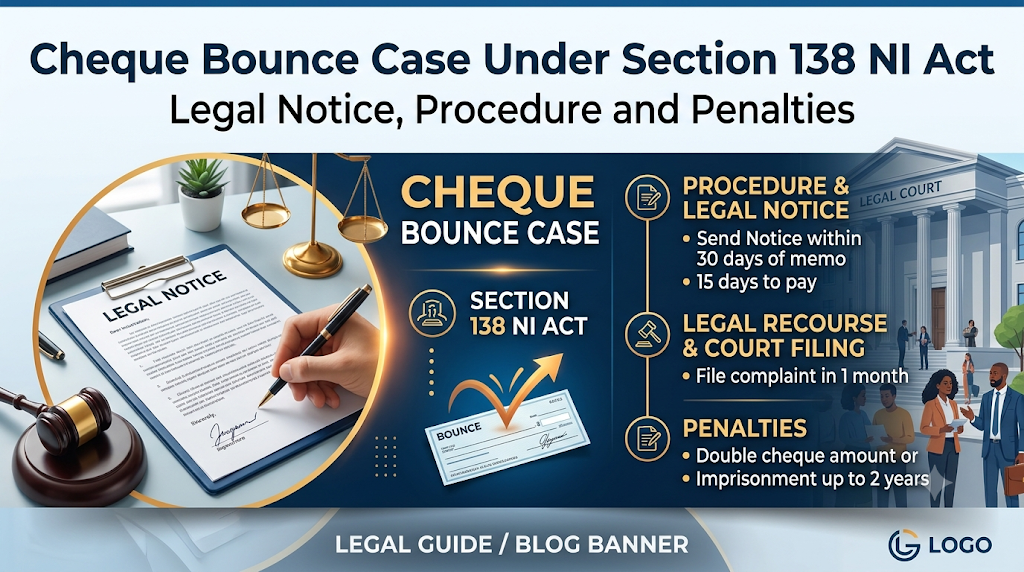
Where the statutory requirements apply, the payee or holder in due course must issue a written demand notice within 30 days of receiving information from the bank about the dishonour.
The drawer is generally allowed 15 days after receiving the demand notice to pay the cheque amount.
If the payment is not made within the statutory period, a complaint may be filed before the competent court, subject to the applicable requirements and limitation period. The usual filing period is one month from the date the cause of action arises, although the law provides for condonation of delay in appropriate circumstances.
The court considers the complaint, relevant documents, evidence and applicable legal provisions. The subsequent stages depend on the case and the court's directions.
Important: These are general procedural stages, not a substitute for reviewing your dates and documents. A lawyer should assess the applicable deadlines and any exceptions in your particular case.
Chhabra Legal Advisers is a full-service law firm based in Sector 13, Dwarka, New Delhi. The firm's listed practice areas include cheque-bouncing matters, civil law, criminal law, banking law and recovery-related disputes.
When discussing a cheque dishonour case, you can expect the legal review to focus on:
If you are searching online for the Best Cheque Bounce Advocate Near Me, consider the lawyer's relevant experience, understanding of the applicable law, approach to your documents and ability to explain the process clearly.
Depending on your role in the matter, useful documents may include:
Not every document will be required in every case. The documents needed depend on the circumstances and the stage of the proceedings.
If your cheque dishonour matter also involves another legal issue, explore these related services:
Use descriptive anchor text naturally within the relevant sections rather than adding every link repeatedly.
Speak to our team about your matter and we will explain your options plainly.
A few things clients usually ask before their first meeting with us.
A cheque bounce lawyer reviews the cheque, bank return memo and transaction records, explains the applicable legal requirements, assists with statutory notices and complaints where appropriate, and advises clients facing cheque dishonour proceedings.
Section 138 of the Negotiable Instruments Act, 1881, provides for legal consequences in certain cases where a cheque issued towards a legally enforceable debt or liability is dishonoured and the statutory requirements are met.
Consider seeking legal advice promptly after receiving a cheque return memo, a statutory demand notice or a court summons. Section 138 matters involve strict statutory timelines, so reviewing the relevant dates early can be important.
Where Section 138 applies, the written demand notice generally needs to be issued within 30 days of receiving information from the bank about the cheque's dishonour. The specific dates and circumstances should be reviewed by a lawyer.
Generally, the drawer has 15 days after receiving the demand notice to pay the cheque amount. If payment is not made, a cause of action may arise for filing a complaint, subject to the applicable statutory requirements and limitation period.
Yes. A lawyer can review the summons, complaint and supporting documents, explain the next procedural steps and advise on available legal options. You should pay attention to the dates and directions mentioned in the court documents.
Settlement may be possible depending on the circumstances and the parties' agreement. Section 147 of the Negotiable Instruments Act addresses the compounding of offences under the Act. The legal implications and appropriate procedure should be assessed for the individual case.
Relevant documents may include the cheque, bank return memo, transaction records, invoices or agreements, legal notices, proof of delivery, correspondence and court documents. The exact list depends on whether you are pursuing a complaint or responding to one.
You can contact Chhabra Legal Advisers in Sector 13, Dwarka, New Delhi, to enquire about legal assistance for a cheque dishonour matter. The appropriate assistance will depend on the facts, documents and procedural stage of your case.
No. The statutory requirements must be satisfied, including the relevant conditions relating to a legally enforceable debt or liability, dishonour, demand notice and payment period. The facts and available evidence must be reviewed before determining whether Section 138 applies.
The statute provides for imprisonment of up to two years, a fine that may extend to twice the cheque amount, or both, subject to the court's decision and the applicable law. The outcome of an individual case cannot be predicted from the fact of dishonour alone.
You can visit the Contact Us page for the firm's contact details and office location. When enquiring, briefly explain whether you received a dishonoured cheque, received a legal notice or have been served with court documents.
If you need a Cheque Bounce Cases Advocate, an NI Act 138 Lawyer in Dwarka or a Lawyer for Cheque Dishonour Case, contact Chhabra Legal Advisers to discuss your matter.
Office address: Plot No. 13, 2nd Floor, Pocket-1, Iskon Temple Road, Sector 13, Near MRV School, Dwarka, New Delhi – 110078.
Phone: +91 9811798778 / +91 9958612544 / 011-41550944
Email: chhabralegaladvisers@gmail.com
Website: https://chhabralegaladvisers.com/
Contact Chhabra Legal Advisers
Legal disclaimer: This page provides general information and is not a substitute for legal advice. The applicable legal position and procedural requirements depend on the facts and documents of each matter. Contacting the firm through the website does not, by itself, establish an advocate-client relationship.
Plot No. 13, 2nd Floor, Pocket-1, Iskon Temple Road, Sector-13, Near MRV School, Dwarka, New Delhi 110078